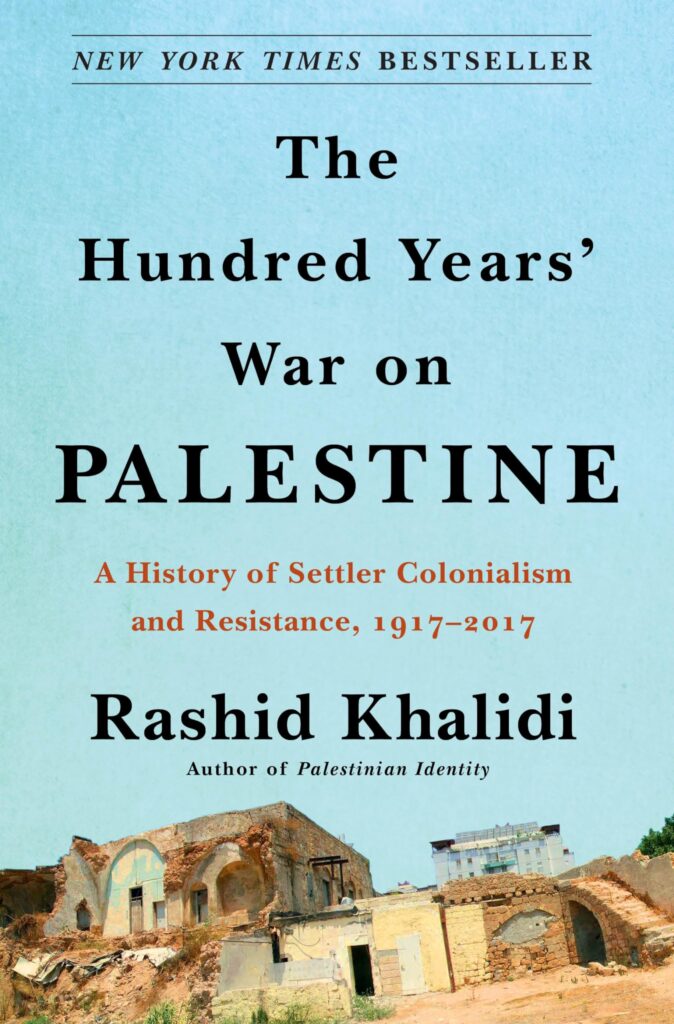
Book Specs 📖
- Author: Rashid Khalidi
- Genre: Non-Fiction, History, Memoir
- Pages: 255 (Paperback)
One Sentence Synopsis🔖
Part memoir, part historical documentation, Khalidi delivers the catastrophic blows of colonization and erasure attempted by the Goliath (Israel) on the Palestinian peoples, through six excruciating declarations of war from 1917 to 2007. (Spoiler: Palestine remains “David” in present-day)
Notes/Thoughts/Questions📝
- For a book only 255 pages in length, it felt twice as heavy because the material was so dense and packed. There is weight that comes with paying homage and seeking truth. This is reminder that length does not correlate to quality of content, furthermore, that needing to put books down because they are not “easy” to read does not mean the book is not good…sometimes it also means that the material requires more skill, and patience.
- In light of recent events with Iran and Israel/US and rising gas prices, the book helped me understand context in a way that a million social media stories could not. In contrast, the book highlighted how social media is ripe soil for numbness/virtue signalling, especially for world events that feel too defeating/depressing. Processing the gruesome history of Palestine slowly and deliberately was more effective than social media shoving the same message into my eye sockets. In an age of endless notifications and updates, you have to wonder why we become so immune to our humanity.
- From the perspective of creating awareness, how do I engage the audience just enough to inspire action vs. complacency or overwhelm? From the perspective of someone consuming information how to I stay “woke” to current events beyond a superficial level (does that require a different way of digesting information or something else?)
- It’s interesting how public opinion(i.e. social media) impacts public policy, strategic political decisions etc. as much as it does today. For a very long time, the law was synonymous with justice but as people become more educated and knowledgeable about autocratic regimes and the selfish motivations of governments/authorities, the perceived integrity of structured leadership wanes. There is a general shift of young people finding alternative ways of influencing these mega structures of thought, in ways where they feel empowered and equipped to make a difference. I love the democratic nature of social media and how organized action can create change in antiquated ways of thinking (usually led by bigoted old white men). Social media in the context of creating change requires much more refinement, tact, and strategy to be successful. It’s refreshing to see that in the face of obstacles, humanity continues to find new ways to be resilient and create meaningful ways of existing.
- When you start peeling back the layers of Palestine’s devastating fate, you begin to appreciate the significance of small decisions, compounded over time. I’m not just talking about issues of national sovereignty, but more broadly about how the daily decisions that we shrug off have rippling effects, that will one day become our history. Also, the emphasis on connectivity and community. A century seems like an eternity in a human life but in the history of the universe, our time is a spec of dust… We do not exist in a bubble and how we treat other sentient beings while on earth, circles, cycles, and is recycled. We cannot escape OUR fate; we are the OTHER ….and until we understand this, we will continue to hurt each other and perpetuate hate ad infinitum.
- My assumptions were correct when I said that this book would pair well with Minor Detail ! I squealed when I read the bit about physical boundaries in Palestine (Section A,B,C). I would recommend reading The Hundred Years’ first if I were to do it again!
“Quotes”🗣
“The surest way to eradicate a people’s right to their land is to deny their historical connection to it.”