Book Specs 📖
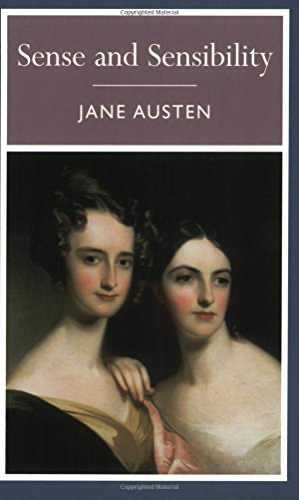
- Author: Jane Austen
- Genre: Literary Fiction
- Publisher: Arcturus Publishing Ltd.
- Pages: 365
One Sentence Synopsis🔖
The sisterhood of entanglements and estates.
Notes/Thoughts📝
- Someone asked me, do you lean towards “sense” or “sensibility”. Elder daughter core says 100% the former. However being totally sensible is awfully dull; life is too short to not feel and express as much as we can while we’re here. Austen cleverly used Elinor and Marianne to represent the poles of restraint and passion. In my opinion, both are necessary. Intuition is a cultivated passion. It’s not hard to be tugged by our first inclinations, and that is why they are often unhealthy and fizzle out quickly. To know this is not enough, one much fuck up and that is what youth is for–to experiment!!! It is appropriate to mention that both restraint and emotional spontaneity are wonderful in their own right and when practiced at the right moments, can yield some kick-ass memories that teach you so much about yourself(I can attest to that!!)
- On sisterhood/sibling-hood–Although I don’t have a sister, I do have a younger brother and there is an intimacy about sharing the same upbringing with someone that literally has known you since birth. What I love more is a story that is not based on a traditional love story–sibling love is some of the deepest love out there.
- This is my second Austen book and although Pride & Prejudice was easier to gobble up as a storyline, I felt a slow burn with Sense and Sensibility. I gradually became more engrossed with the characters as I read on, especially sympathizing with Elinor’s plight as the eldest sensible sister. I am prepping myself for the chunkier classics that I hope to read this year including Jane Eyre and The Count of Monte Cristo. Your girl is ready for a Classics marathon!!
- I watched the movie adaption (starring Daisy Edgar-Jones as Elinor ) shortly after I finished the book last week. It was beautifully made although it didn’t quite line up with my reading experience. Elinor in the movie seemed much less composed than what I read and Willoughby was short and not attractive (in my opinion) so he was not believable as the fuckboy. There was also the Pistol duel scene which apparently happened “off the page” but received considerable screen time. Two insights:
- 1) Film adaptations remind me that there is never a shortage of how we can reinterpret and recreate what already exists. I shouldn’t be afraid that something has been done, because it hasn’t been done in MY WAY:)
- 2) Different mediums provide different levels of information. Reservedness/composure is more easily conveyed in books because you have total transparency of everyone’s thoughts. On film, you can only guess from facial expressions and other body language what a person is thinking; it is more difficult to represent inner dialogue unless it is narrated. Intentionally or not, the challenge in film becomes a task for the audience to interpret and/or the director to creatively represent.
“”
“Know your own happiness. You want nothing but patience–or give it a more fascinating name, call it hope.”
“The more I know of the world, the more I am convinced that I shall never see a man whom I can really love. I require so much!”
“I wish, as well as everybody else, to be perfectly happy; but, like everybody else, it must be in my own way.”
“It is not time or opportunity that is to determine intimacy;—it is disposition alone. Seven years would be insufficient to make some people acquainted with each other, and seven days are more than enough for others.”
Leave a Reply